Marine Microplastics Research & Global Environmental Monitoring
Monitoring Marine Microplastics: Data-Driven Insights
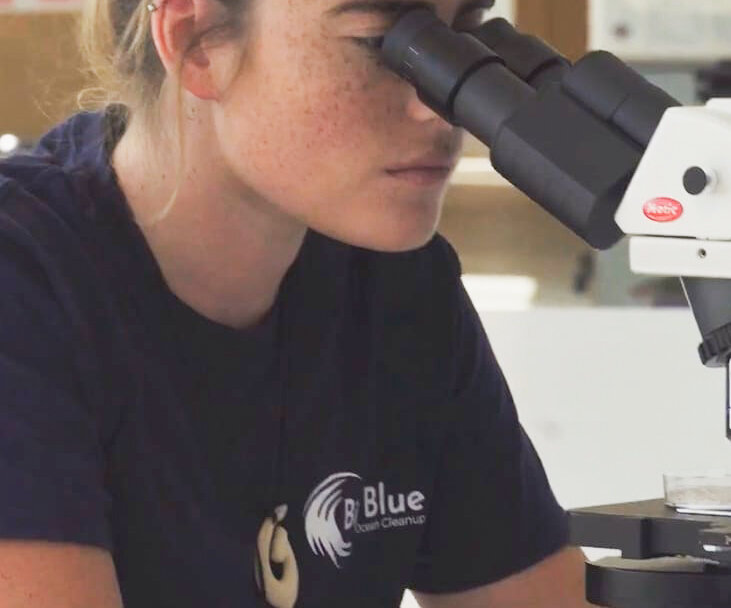
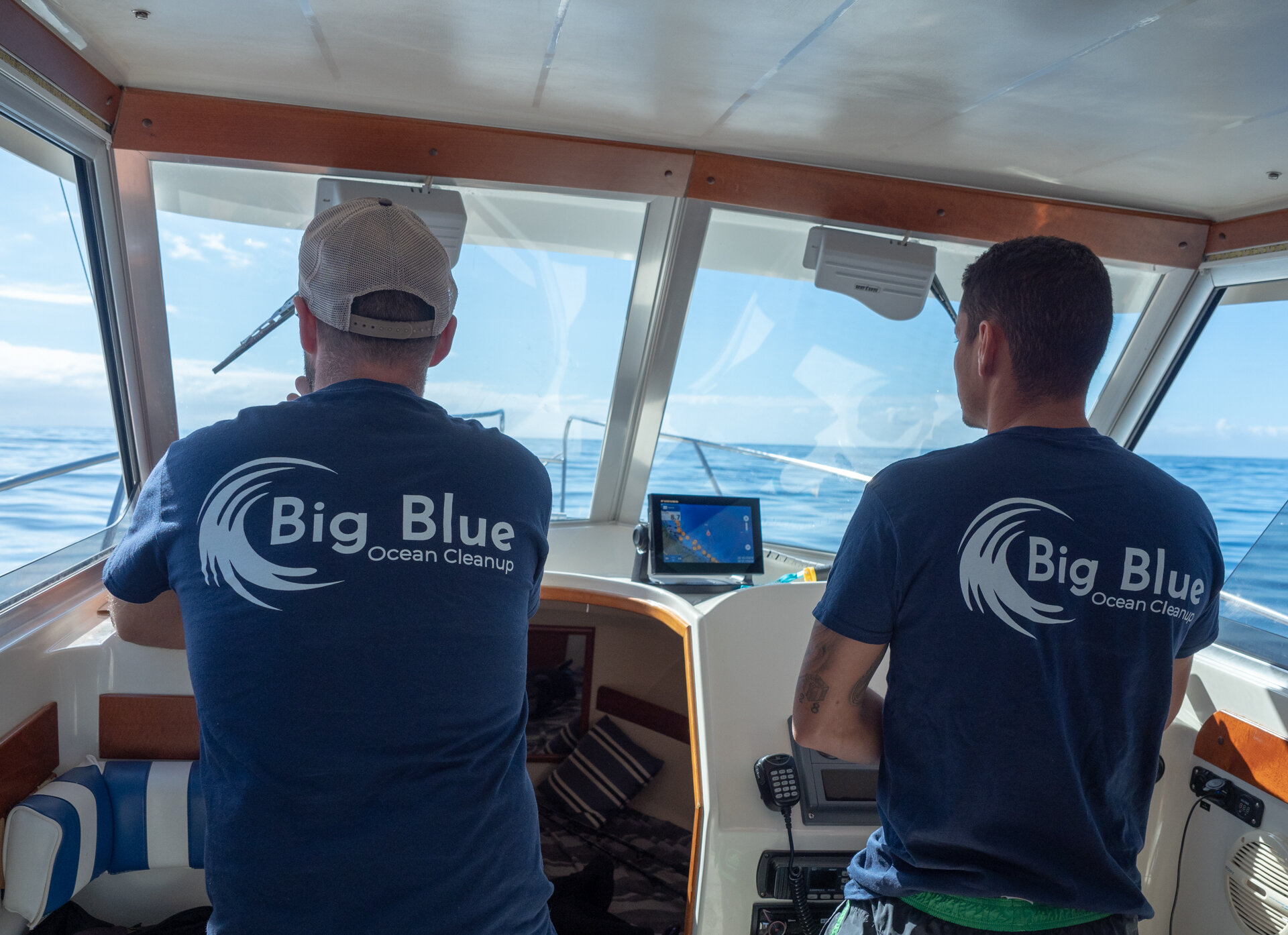
Plastic does not biodegrade; it fragmentises. Over time, it breaks down into micro-particles—often invisible to the naked eye, yet pervasive throughout the global marine environment. At Big Blue Ocean Cleanup, we conduct systemic field data collection to map the movement, degradation, and settlement of plastics within the ocean’s ecosystem. Our objective is not to create alarm, but to provide environmental clarity.
Defining the Challenge: Microplastic Analysis
Microplastics are synthetic particles ranging from 1 micron to 5mm in size. These pollutants are highly mobile, migrating through fluvial and marine systems via currents and entering the biological food chain.
The Knowledge Gap: Ongoing Environmental Monitoring
While microplastics have been identified across the entire marine column—from surface waters to the deep-sea benthos—their long-term ecological impact remains a critical area of study. We are committed to long-term environmental monitoring, recording the presence and concentration of these particles to provide a baseline for global marine health.
Our Methodology: Evidence-Based Collection
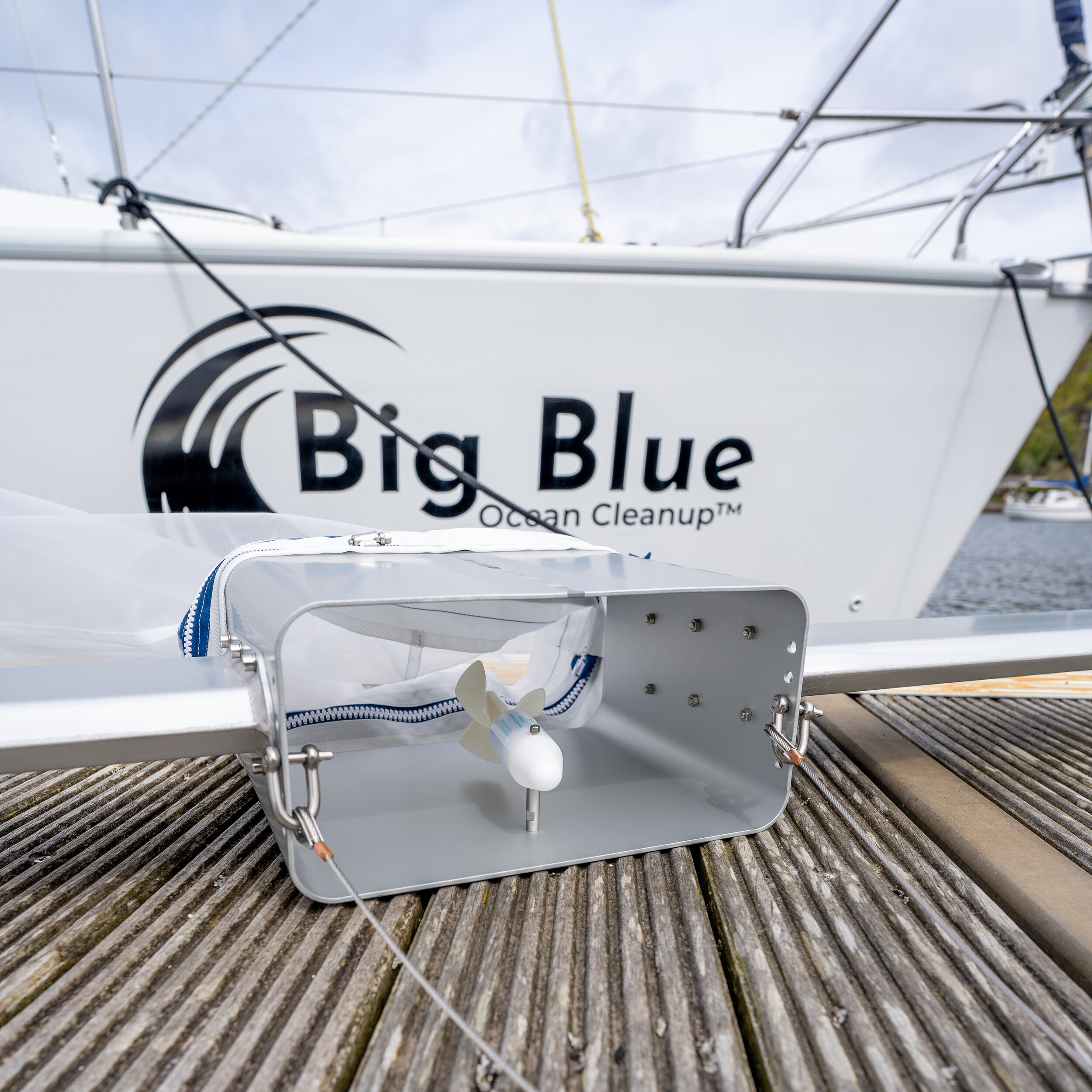
We employ specialised neuston nets and precision sampling tools to collect field data. By using standardised density-separation techniques, we isolate synthetic polymers from organic matter to create high-fidelity datasets.
This research is not a tool for rhetoric; it is a foundational resource. We provide the empirical evidence required to develop informed, coherent solutions for the restoration of our oceans.