
Big Wins for Our Oceans. What’s New in Ocean Conservation.
Over the past several months, the global community has delivered some truly encouraging victories for our seas. From landmark laws to thriving wildlife populations, these are wins not just for nature, but for all of us who depend on a healthy ocean.
Global and Policy Successes
High Seas Treaty ratification & stronger marine protection
At the recent 2025 United Nations Ocean Conference (UNOC) in Nice, a major milestone was reached: several nations ratified the High Seas Treaty, bringing the total close to the threshold needed for the pact to enter into force. This agreement lays the groundwork for protecting vast areas of the open ocean, offering hope for future large-scale marine protected areas beyond national waters.
Stronger legislation at home: UK bans plastic wet wipes
Back in the UK, a decisive step was taken toward reducing plastic pollution. The government has officially passed legislation banning the sale and supply of wet wipes containing plastic, a persistent source of marine litter that often ends up in our seas and on beaches.
Improved ocean governance using data & transparency tools
Thanks to efforts by Global Fishing Watch, governments around the world are gaining better visibility into fishing practices and ocean use. Their data tools have helped inform new fisheries management policies such as placing protections around sensitive ecosystems and preventing overfishing in vulnerable
Wildlife and Ecosystem Comebacks
Sea turtles are bouncing back
According to a 2025 study by National Oceanic and Atmospheric Administration (NOAA), sea turtle populations are showing signs of recovery globally thanks in part to improved nest protections and habitat conservation efforts. It’s a hopeful sign that coordinated conservation efforts can turn the tide for endangered species.
Mangrove restoration and Arctic community conservation bringing hope
Around the world, coastal communities and conservation groups are restoring mangrove forests, vital ecosystems for marine life, carbon storage, and shoreline protection. Meanwhile, in areas like the Arctic, community-led wildlife grants and ecosystem stewardship are giving endangered species and fragile habitats a stronger chance at survival.
What This Means and How You Can Help
These successes show that real change is possible when people, communities, scientists, governments, and organizations work together. But the ocean remains fragile and it still needs all of us.
Here’s how you can contribute:
Stay informed & spread awareness. Share news like this so more people understand the issues and the progress being made.
Support ocean-friendly policies and organizations. Whether through donations, activism, or volunteering your voice matters.
Reduce single-use plastics. The ban on plastic wet wipes is a big win but lots of other everyday items still threaten the ocean. Cutting back helps.
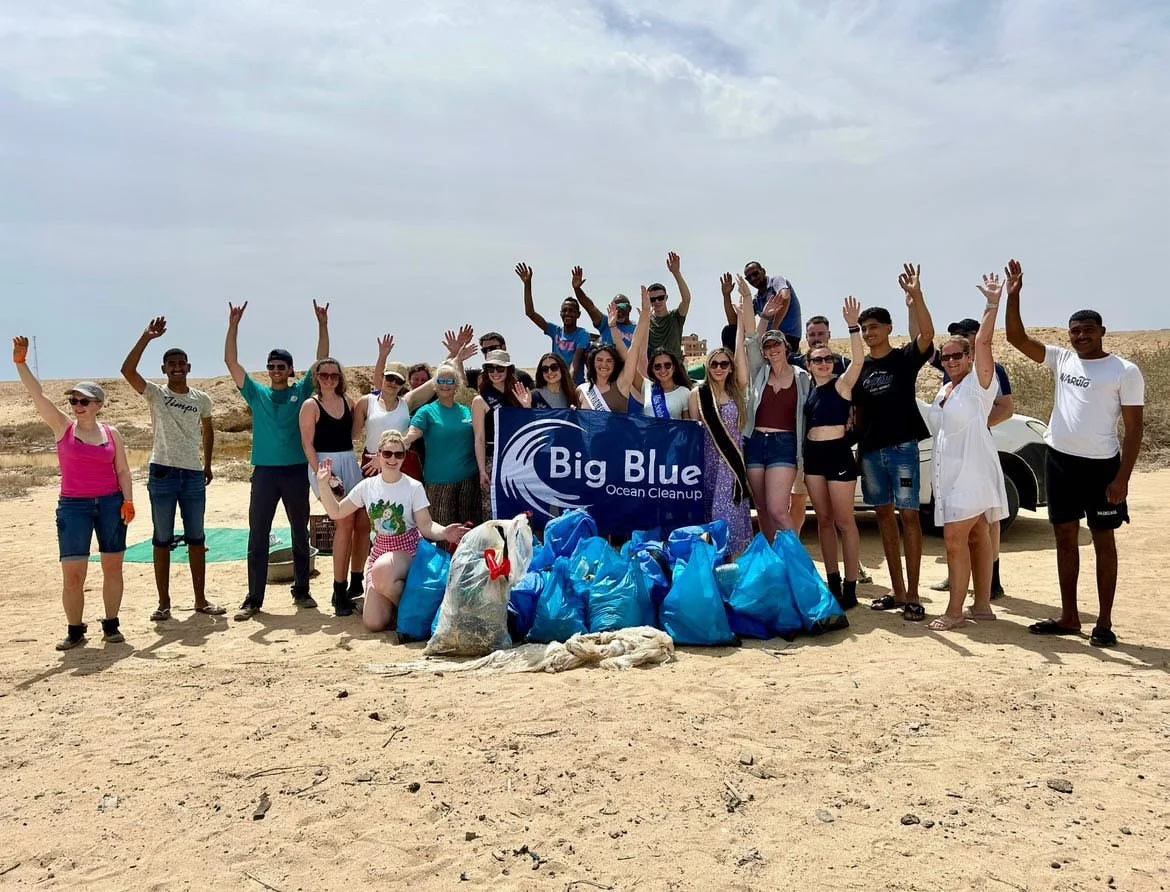
Join or organise cleanups. On beaches, rivers, or by communities, grassroots action still plays a crucial role.
Advocate for marine protection and sustainable practices. Urge local and national leaders to support strong regulations, protected zones, and sustainable fisheries.
Why We Need More Momentum, But Also Hope
Today’s wins are real. They show that with commitment and collective effort, we can protect habitats, reduce pollution, and help marine species recover. But the ocean remains under huge strain.
So while we pause to celebrate let’s also renew our commitment. Let’s stay engaged, keep pushing for change, and continue doing our part.
Because every action, small or big, adds up. And together, we can help build a healthier, cleaner, more resilient ocean for future generations.